

 703-734-2750

Date
For many patients, routine dental visits are an important part of staying healthy. However, if it has been a while since your last appointment, or if you feel nervous about going to the dentist, it can be helpful to know what to expect. A routine dental visit is designed to be comfortable, informative, and preventive. These appointments allow your dentist to monitor your oral health, catch concerns early, and help you maintain a healthy smile.
Here is a step-by-step look at what typically happens during a regular dental visit.
Step 1: Checking In and Reviewing Your Health History
When you arrive, the first step is usually checking in at the front desk. If you are a new patient, you may be asked to complete forms regarding your medical history, medications, and dental concerns. Even for returning patients, your dental team may ask about any updates to your health. Since many medical conditions and medications can affect oral health, this information helps your dentist provide the safest and most effective care.
Step 2: Initial Examination of Teeth and Gums
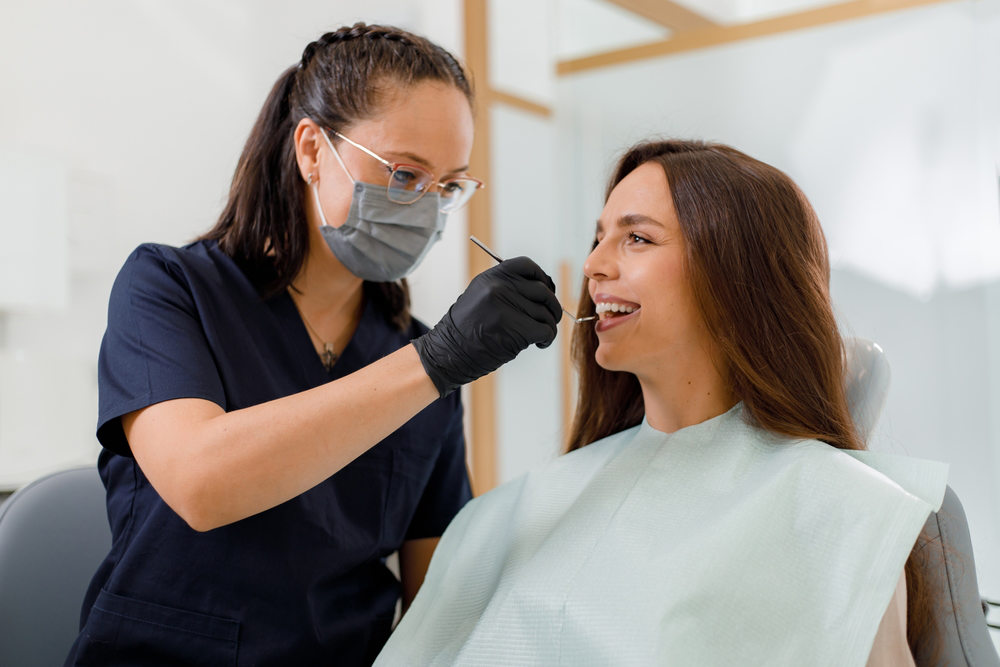
Once you are in the exam room, a dental hygienist or assistant will begin by taking a look at your teeth and gums.
This includes checking for:
- Signs of cavities
- Gum inflammation or bleeding
- Plaque and tartar buildup
- Changes in existing dental work
Your dentist may also evaluate your bite, jaw alignment, and any areas of discomfort you may mention.
Step 3: Dental X-Rays
Dental X-rays are not required at every visit, but they may be recommended periodically depending on your needs.
X-rays help your dentist see what is happening beneath the surface, including:
- Cavities between teeth
- Bone loss from gum disease
- Tooth infections
- Impacted teeth
Modern digital X-rays are quick and use very low levels of radiation, making them a safe and valuable diagnostic tool.
Step 4: Professional Teeth Cleaning
One of the most important parts of a routine visit is the professional cleaning performed by your dental hygienist.
Even with good brushing and flossing at home, plaque can harden into tartar, which cannot be removed with a toothbrush alone.
A cleaning typically includes:
- Removing plaque and tartar buildup
- Polishing teeth to remove surface stains
- Flossing between teeth
- Fluoride treatment if recommended
Most patients find cleanings to be refreshing, and they are essential for preventing gum disease and decay.
Step 5: Gum Health Evaluation
Your hygienist may also measure the health of your gums by checking the space between the gums and teeth. This helps identify early signs of periodontal disease. Gum disease often develops quietly, so routine monitoring is important even if you are not experiencing symptoms. Healthy gums are a key part of maintaining long-term oral health.
Step 6: Dentist Exam and Discussion
After the cleaning, your dentist will perform a more detailed examination. This includes checking your teeth, gums, tongue, and other oral tissues.
Your dentist may discuss:
- Any areas of concern
- Treatment recommendations
- Preventive tips for at-home care
- Cosmetic or restorative options if needed
This is also a great time to ask questions about your oral health or any symptoms you have noticed.
Step 7: Planning Next Steps
Before you leave, your dental team will help you schedule your next appointment. Most patients benefit from routine visits every six months, though some may need more frequent care depending on gum health or other factors. If additional treatment is needed, your dentist will explain the options clearly and help you plan next steps in a way that fits your comfort and schedule.
Routine Visits Support Long-Term Health
Routine dental appointments are one of the easiest ways to protect your smile. These visits help prevent problems, reduce the risk of dental emergencies, and support overall wellness. If you have been delaying care due to uncertainty or anxiety, knowing what to expect can make the experience feel much more manageable. A healthy smile starts with consistent, preventive care.
Protect your smile and support your long-term oral health by requesting an appointment with our office today.